
The Hidden Health Revolution: Why Your Wrist Might Be Smarter Than Your Doctor
Picture this: You’re sleeping peacefully when your wearable fitness tracker detects an irregular heartbeat and potentially saves your life. Or maybe you’re stressed at work, and your smartwatch nudges you to take a breathing break before you hit your breaking point. This isn’t science fiction anymore — it’s happening right now on millions of wrists around the world thanks to wearable technology.
If you’ve ever wondered whether that smartwatch, smart ring, or fitness tracker is worth more than just counting your steps, you’re about to discover something incredible. These little wearable devices have quietly become some of the most powerful health monitoring wearables ever created — and they’re doing way more than most people realize.
What’s Really Inside That Thing on Your Wrist
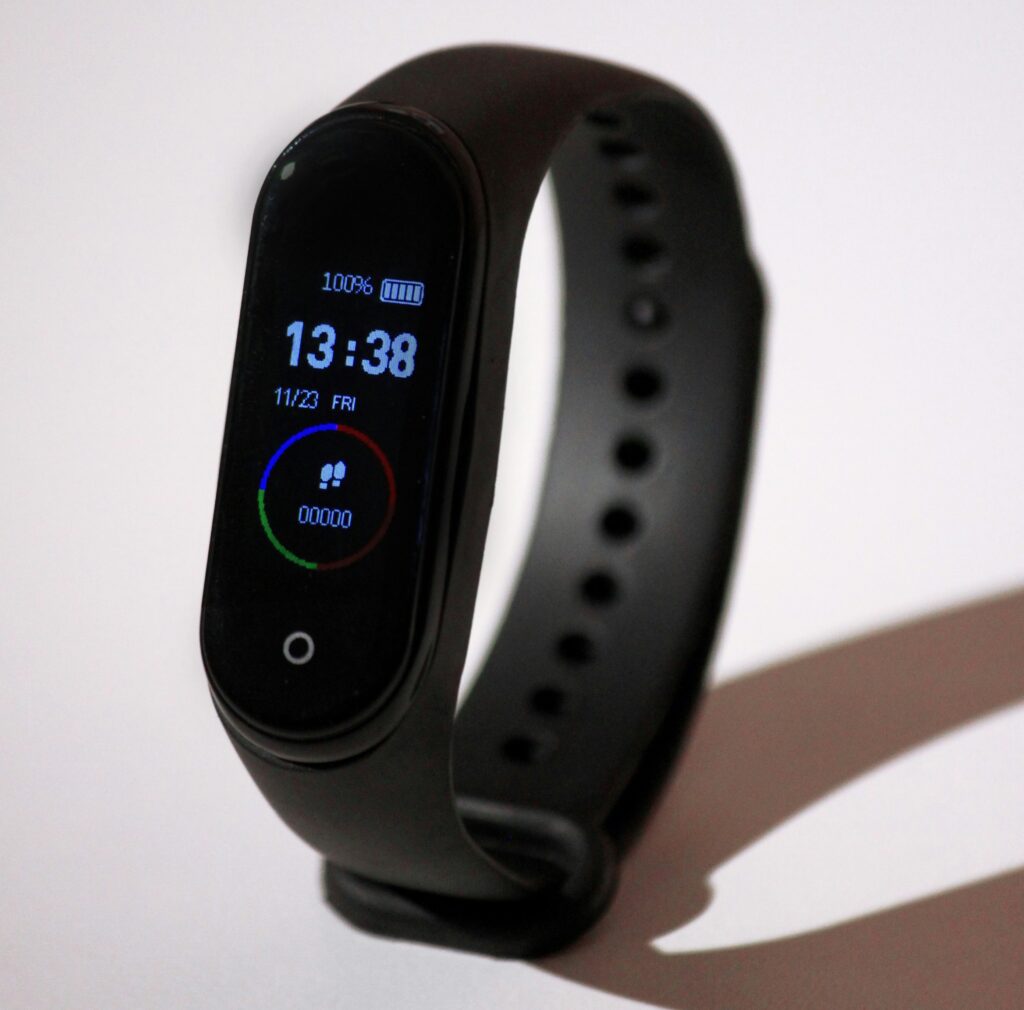
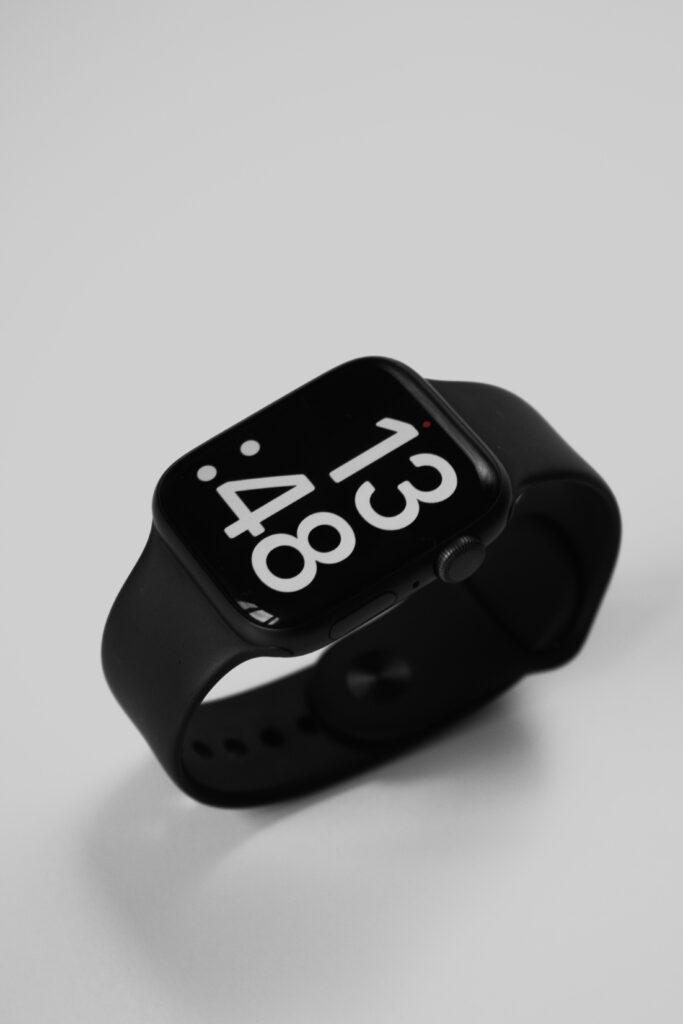
Let’s start with the basics. When we talk about wearable health tech, we’re talking about what experts call “seamlessly embedded portable computers” that you wear on your body. Think of your wearable fitness tracker as a mini-lab, constantly scanning your health without bothering you.
These gadgets come equipped with powerful tech:
- ECG sensors that detect heart issues
- SpO2 sensors for checking your blood oxygen levels
- HRV tracking for stress detection
Some even qualify as biometric wearables, offering data once reserved for full-blown hospitals. But the real magic? These trackers analyze your health data to give real-time feedback — basically acting like a digital doctor on your wrist.
The Stress Detective That Never Sleeps
Remember the last time you were anxious but didn’t realize it until too late? Your wearable fitness tracker probably knew before you did.
Using HRV tracking, these devices can pick up subtle signs of stress. When your heart rate variability drops, it’s often a red flag. And that’s when your smartwatch for stress management kicks in — sending you a gentle reminder to breathe or stretch. Some stress tracking wearables even offer guided meditation features to help you calm down in real-time.
This is a game-changer for mental wellness. Mental health wearables help catch issues early, offering support when you need it most. You’re not just counting steps anymore — you’re managing your mind, too.
Your Personal Trainer That Actually Cares
Sure, we all know we should move more. But let’s be honest — it’s easy to get stuck in the “I’ll start tomorrow” loop. Here’s where your wearable fitness tracker steps up as a personal coach that actually gets you.
Modern trackers go beyond being basic activity trackers or step counter watches. They track everything — how long you sit, how often you move, and how your heart rate monitor reacts to different activities. And they don’t just nag you — they motivate you.
With smart, achievable goals and feedback, these smart fitness devices support your routine in a way that feels doable.
Whether you’re using a smart band or a high-end fitness wearable, the goal is to create habits that stick. It’s why so many people using wearable health monitors actually reach their fitness goals. It’s about consistency, and your tracker helps you stay on track.
The Sleep Revolution You Didn’t Know You Needed
Think sleep tracking wearables just tell you how many hours you slept? Think again.
Your wearable sleep monitor analyzes everything — light, deep, and REM sleep cycles, your breathing, and even wake-up patterns. It’s like having a sleep lab strapped to your wrist.
One woman found out via her personal health tracker (a Fitbit, to be exact) that she was waking up multiple times at night without realizing. This led to addressing her anxiety — and drastically improving her sleep. That’s the power of wearable health data.
Some devices, like the Apple Watch, even offer smartwatch health alerts to wake you up gently during lighter sleep stages — so you feel more refreshed. Others give bedtime tips based on your unique data.
Mental Health Support That Fits in Your Pocket
Wellness wearables are starting to play a bigger role in supporting mental well-being, not just physical health. Devices with guided meditation features or breathing prompts are like little therapists, reminding you to breathe, relax, or pause.
Changes in your sleep tracking, physical activity, and HRV might signal mental distress. Your device won’t diagnose you, but it can serve as an early heads-up — helping you recognize when to check in with yourself or talk to someone.
Mood tracking is also a rising trend. Some wearable devices let you log your emotional state daily. When cross-referenced with your physical data, this helps you discover patterns. Maybe you’re always down on days you don’t move much. That’s valuable insight.
How Workplaces Are Using This Technology to Save Lives
Believe it or not, companies are adopting wearable health monitors to boost wellness and prevent burnout. Not for surveillance — for support.
When workers voluntarily share anonymized data, employers can spot stress spikes, poor sleep trends, or general fatigue. Then they act — like adjusting workloads or encouraging breaks. That’s smart use of wearable device data analytics.
Some companies even offer smart health gadgets as part of their wellness perks. The result? Lower sick days, better mental health, and happier teams. It’s a perfect example of wearable tech in the workplace making a difference.
The Big Players and What They’re Really Good At
- Apple Watch: Great for wearable stress detection, ECG sensor, and smartwatch life-saving features like fall detection and heart alerts. Plus, it blends productivity with wellness.
- Fitbit: A user-friendly personal health tracker perfect for step counting, sleep tracking wearables, and fitness tracker motivation. Great for people new to fitness tech.
- Polar: Best for athletes. Tracks VO2 max, intense workouts, and gives detailed fitness tracking technology data.
- Oura Ring: A sleek smart ring that’s great for sleep tracking, stress monitoring, and even body readiness scores.
Gamification plays a huge role in why these work. Whether you’re closing rings, earning badges, or beating friends in challenges — healthy habits become addicting in the best way.
The Dark Side: What You Need to Know
With all this awesome tech, there are a few things to watch out for.
1. Wearable tech privacy
These devices know a lot — where you are, when you sleep, how you feel. That data is gold for companies. So always read privacy policies. Know what’s collected and who sees it.
2. Accuracy
Even the best wearable fitness tracker might misread movement or miss heart spikes. Think of them as helpful guides — not perfect diagnostics.
3. Cost
High-end wearable devices and their subscriptions aren’t cheap. That’s a problem for folks who could benefit most. Luckily, basic fitness trackers still pack a punch.
4. Battery life
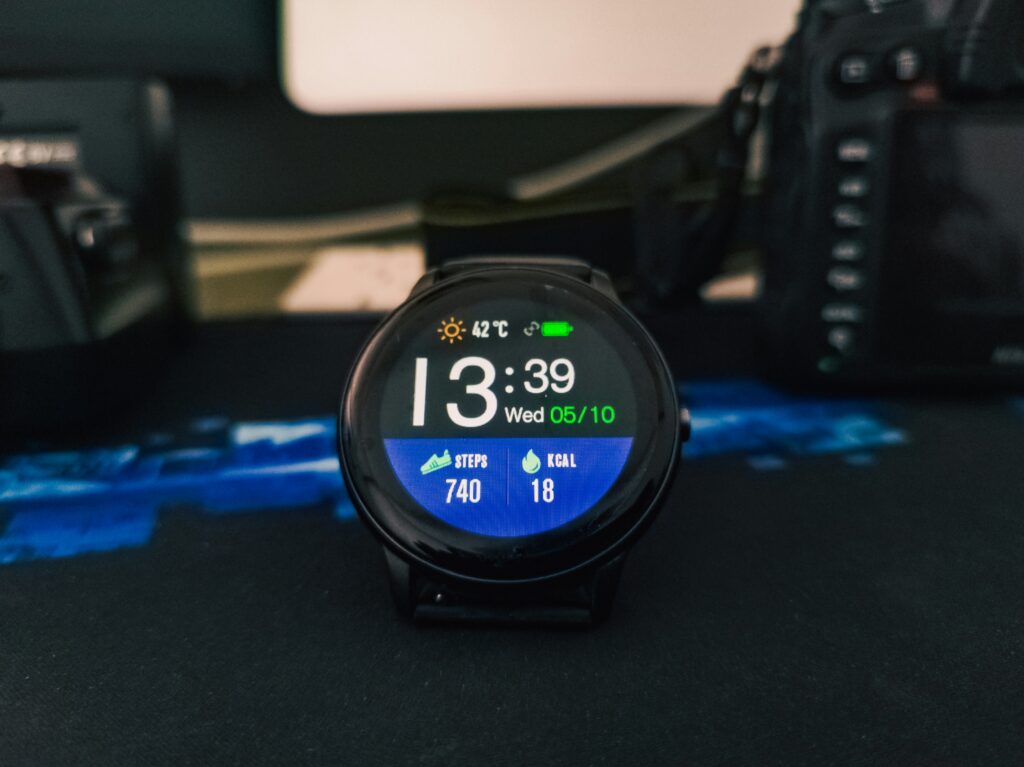
Some smartwatches need daily charging. Some fitness trackers last longer. Think about what fits your routine.
The Future Is Already on Your Wrist
What’s next? Tons of exciting stuff:
- Energy harvesting wearables powered by body heat or motion
- AI-powered wearables that give tailored advice, not just raw data
- Remote patient monitoring integrated into hospital systems
- Smart devices for wellness that detect health trends before symptoms start
- Even digital health revolution breakthroughs like smart clothes and lenses!
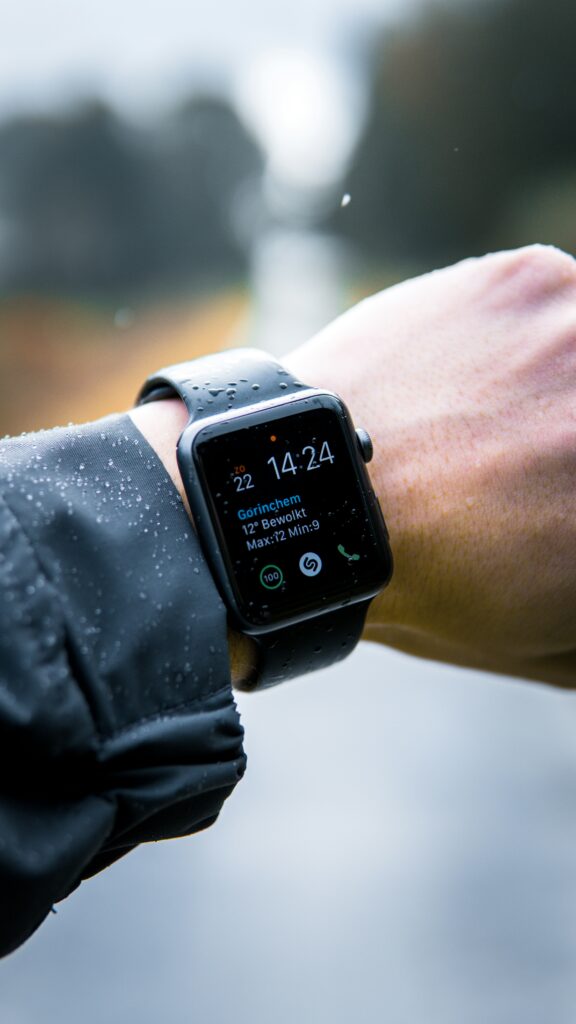
The blend of wearable AI, healthcare, and tech is only going to get smarter, deeper, and more personal. Think fewer doctor visits, more real-time solutions.
Making the Right Choice for You
So, thinking of getting a wearable fitness tracker? Here’s what to consider:
- Your goals: More active? Better sleep? Stress relief?
- Your lifestyle: Forget to charge stuff? Need fashion-forward options?
- Your budget: You don’t need the priciest tracker to see real results.
Start simple. Even a basic step counter watch or smart band can kickstart your health journey. You can always level up later.
And the best tracker? It’s the one you’ll actually wear.
The Bottom Line
Wearable technology benefits go way beyond fitness — we’re talking heart safety, mental health wearables, stress support, sleep improvement, and even saving lives in emergencies. These devices are helping us listen to our bodies and make better decisions every day.
Are they perfect? Nope. But with realistic expectations, a good device, and healthy habits, they can become your secret weapon.
Whether you’re a student battling finals, a desk worker fighting burnout, or someone chasing fitness goals — there’s a wearable fitness tracker out there for you.
The future of health is already on your wrist.
The only question is: are you paying attention?